
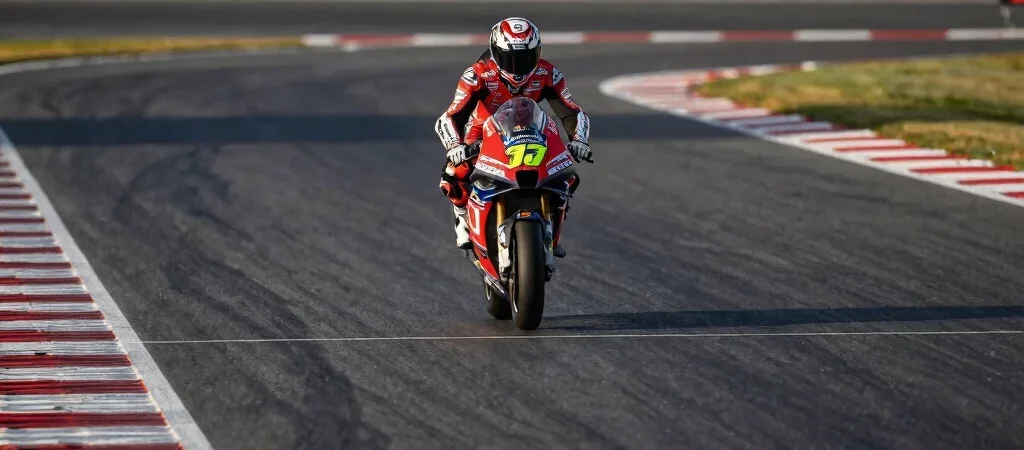
The flag falls, the positions are settled, and the result is easy to find. The harder question is what the race actually showed: who controlled the pace, who made up ground in traffic, and who spent the afternoon responding to a problem rather than setting the terms.
Treat each session as context
Practice, qualifying, and the race answer different questions. A strong practice session can reveal promising speed without showing how a rider will manage a crowded start, while qualifying shows performance over a short run under its own conditions. Comparing those sessions is useful, but only if you keep their different demands in view.
The circuit matters too. A rider’s weekend can turn on a handful of braking zones, a sequence of direction changes, or the ability to get drive onto a long straight. Rather than calling a result a surprise on its own, look at where the gaps appeared and whether those parts of the track match the strengths visible earlier in the weekend.
Build a more useful race report
Start with the result, then describe the turning point: a launch, a sustained fight, a mistake, or a change in pace. Be clear about what the broadcast or timing screen shows and what remains interpretation. If the evidence is a changing gap or a repeated loss of ground in one sector, say so; there is no need to claim access to information viewers cannot see.
The best post-race takeaway is specific enough to remember and open-ended enough to test next time. A rider repeatedly gaining on corner exit is a detail worth following at the next round, not a promise about what will happen there. Results matter. The on-track detail tells us why.