
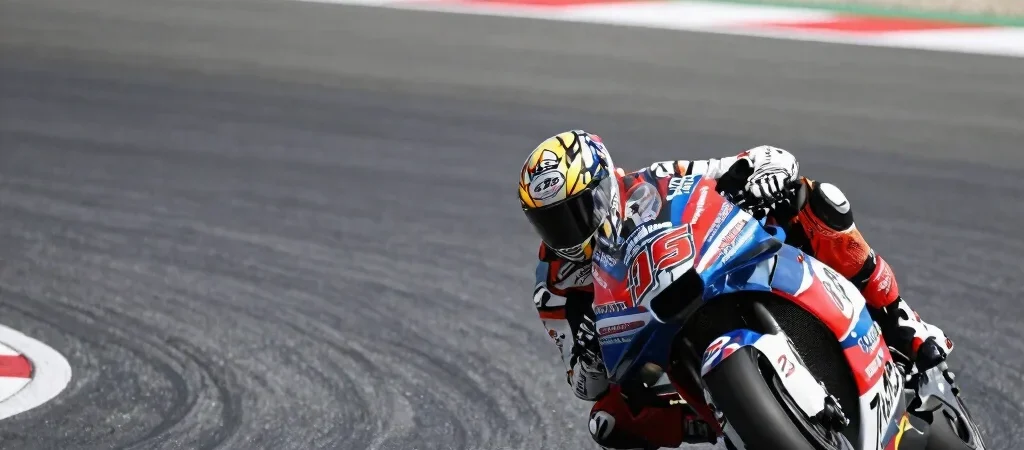
A rider can look untouchable in qualifying and still face a very different problem once the MotoGP race begins. One fast lap rewards a concentrated burst; a race asks for repeatable braking, clean exits, and decisions that hold up as the conditions and traffic change.
Look past the opening laps
The first lap is dramatic, but it can distort the picture. A rider may gain places through a strong launch, lose time while boxed in, or take a different line to avoid contact. Once the pack stretches, compare how consistently riders reach the same corners and whether they can get back on the throttle without surrendering ground.
A gap on the timing screen matters most when you understand how it formed. If a rider closes in one sector but gives the time back in another, the race may be turning on a specific corner or a repeated compromise, not an overall lack of speed. That is often where the useful analysis begins.
Watch what the tires demand
Tire behavior is part of the race story, but it is not something a viewer can diagnose from a single camera shot. Look for patterns instead: changes in corner exit, a rider needing more room to make a pass, or a rival beginning to recover time late in a stint. Track temperature, setup, and traffic all shape what those signs might mean.
Qualifying still matters; starting near the front can keep a rider out of the worst traffic and put the race on their terms. But it is a starting clue, not a verdict. Follow the rhythm of the race, and the gap between one-lap speed and race pace becomes much easier to see.